Рубрика: Uncategorized

  • PLA Furniture in South Korea

    PLA Furniture in South Korea

    For South Korean artist Ryu Jong-dae, it’s important that his works not only push the envelope of modern design, but also explore environmentally friendly choices.

    The 40-year-old artist is known for his wooden concept furniture pieces, but in recent years has also turned to a cornstarch-based bioplastic in a bid to reduce plastic waste in the process of making his artworks.

    “The resources that we use now are finite, so I think artists should care about the way of reducing waste when they design and make products for the public,” he told Reuters.

    This week will mark the 50th anniversary of Earth Day, a milestone in the emergence of the environmental movement, and a reminder of the many environmental challenges facing the world, including plastic waste.

    In 2016, humans generated 242 million tonnes of plastic waste, according to the World Bank.

    In South Korea, more than 8.2 million tonnes of plastic waste were produced in 2018, according to the Korea Environment Corporation.

    Ryu says bioplastics may be a way to help reduce that waste.

    For his project called “Digital Craft,” he used Polylactic Acid (PLA), a bioplastic which is made from renewable resources, including cornstarch or sugarcane, and can degrade after a few years in particular environments.

    In contrast, plastic is typically made from petrochemical products, is not biodegradable, and can take hundreds of years to decompose.

    “As a designer, I wanted to present the new possibility of using eco-friendly materials to design and create artwork,” Ryu said.

    Several years ago, Ryu said he was stopped by customs officers at Tokyo’s Narita Airport after a dog searching for illicit agricultural products sniffed out the bioplastic furniture he was carrying for an exhibition.

    Ryu said he was released after explaining the furniture was made from corn.

    He pairs the PLA with 3D printing technology to achieve delicate details.

    “Digital crafting is meaningful because it expands the scope of work from existing crafts by using new materials, such as bioplastics,” Ryu said. “It also reduces waste that comes from the creative process and uses eco-friendly materials, which helps the global environment.”

    REFS

    Published on reuters.com

    South Korean artist turns to bioplastics for Earth-friendly furniture.

  • The Luckiest Man in the Bioplastics Industry

    The Luckiest Man in the Bioplastics Industry

    Who is the luckiest man in the bioplastics industry today?

    Bio-on EX CEO Marco Astorri who is under house arrest during the corona / covid19 confinement measures.

    How lucky is that? Your house arrest is transformed into a corona confinement.

    Remember that Italy has the most severe confinement measures in Europe at this point in time.

    Marco Astorri, CEO Bio-on

    In Short

    Bio-on has been declared bankrupt.

    The official reason was mismanagement by CEO Marci Astorri.

    Marco Astorri claims it was a conspiracy by an Israeli- American investment firm who spread rumours and short sold Bio-on shares.

    The trial of bio-on has been delayed from April 17 to September 25, 2020.

    Will the company and brand name Bio-on survive?

    Will Justice be done in Italy?


    Dumb Oil and Gas Majors, Scrapping Plastic Bag Bans and Taxes and San Francisco

  • Compostable Coffee Capsules for Espresso

    Compostable Coffee Capsules for Espresso

    Italian coffee roaster Covim produces its own brand and private-label products in 100% bio-based, compostable coffee capsules engineered to meet the unique requirements of European espresso machines.

    For food and beverage consumers, sometimes convenience can come at the cost of environmentally responsible packaging.

    One notorious example is coffee capsules for single-cup brewing systems.

    In fact, it has been reported that John Sylvan, inventor of the Keurig, even said, “I feel bad sometimes that I ever did it.”

    Coffee capsules are traditionally made from plastic and/or aluminum that are unable to be recycled.

    In 2018 alone, it was estimated that 56 million coffee capsules went to landfill.

    But that is gradually changing, as coffee companies and packaging suppliers introduce alternative materials that allow for partial recyclability, biodegradability, or composability.

    Some have also launched programs to collect used capsules for disassembly for recycling or upcycling.

    In the U.S., most of this innovation has been around compostable coffee capsules designed for use with Keurig K-Cup systems from Keurig Green Mountain, Inc.—the best-selling brand of single-cup coffee brewers in the country.

    These new capsules replace petroleum-based plastic capsules with bio-based materials.


    Dumb Oil and Gas Majors, Scrapping Plastic Bag Bans and Taxes and San Francisco


    In Europe, however, the challenges have been more steep, with a number of different coffee systems on the market, including a variety of machines from Lavazza and Nespresso, that have very unique requirements, especially for those systems brewing espresso.

    In January 2019, century-old coffee roaster Covim, of Genoa, Italy, launched into large retail stores a line of coffee products, Natural Elements, in a 100% bio-based, industrially compostable capsule that is compatible with Nespresso and Lavazza A Modo Mio espresso brewing systems.

    It also made the packaging available to its private-label customers.

    The compostable capsules are the result of a collaboration with packaging supplier Flo S.p.A., which worked with Covim to refine its GEA capsules for Covim’s use and engineer the coffee roaster’s lines to accommodate the new capsules.

    The bio-based material used for the capsules is Ingeo polylactic acid (PLA) from NatureWorks.

    A natural package for natural product

    Covim is one the top coffee companies in Italy, serving both B2B and B2C channels, including office, vending, large retailers, specialized stores, online, and HoReCa (hotel/restaurant/catering).

    According to Daniele Picenelli, Covim Head of GDO (Grande Distribuzione Organizzata, or large retail organization) and Private Label, the company has a turnover of more than 50 million Euros (approximately US$54 million), employs 100 people, and exports to more than 50 countries worldwide.

    “Our coffee differs from most of our competitors, because we know the needs of our customers and the markets to which they belong, and we have developed an elective affinity with them over the years,” he says.

    “We know their consumption habits and the needs of the markets to which they refer—large-scale distribution, vending, HoReCa—enough to develop three specific product lines, each with its own peculiarities.”

    Picenelli explains that the environment has always been top of mind for this company, whose activity is wholly based around coffee, “an absolutely natural product, a unique and irreplaceable raw material that requires great respect and knowledge.”

    He adds, “The care of this particular product has prompted us to direct our actions towards a total attention to the environment and sustainability.”

    Over the last several years, Covim noted its consumers’ growing sensitivity around the environment and in response has made significant investments in R&D and high-tech production lines for organic, compostable, and “eco-sustainable” products.

    According to Picenelli, the decision to use compostable capsules was made after a long test phase.

    “We had to find a capsule that, in addition to being compostable, could guarantee an optimal yield in the cup and could withstand without any problem the thermal changes typical of the espresso coffee delivery, as well as guarantee a good machinability on the most sold [popular] machines, this to avoid technical problems and complaints by consumers,” he relates.

    Crafting a compostable capsule for espresso

    The result of a joint development process between Flo and NatureWorks that began in 2015, Flo’s first GEA 100% compostable coffee capsule was launched in May 2018 for compatibility with the Lavazza A Modo Mio system.

    It was engineered “to address such market requests for material aging stability, shelf life, oxygen barrier, and a consistent brewing experience where coffee was accurately extracted every time for the best-tasting cup possible.”

    That’s according to Flavio Di Marcotullio, NatureWorks Global Industry Manager – Coffee, who adds, “This all had to be done with a bio-based, food-safe material that could withstand the high temperatures and pressures involved in brewing.”

    As Di Marcotullio confirms, the market requirements for coffee capsules differ quite a lot from Europe to North America.

    “On purpose, we decided to first focus on more stringent European requirements, where not only heat is used in the brewing process, but also high pressure—on average 18 bar for a Nespresso machine versus two bar for a Keurig one,” he explains.

    “Furthermore, puncturing is also a key element to ensure a high-quality espresso is brewed every time.”

    In October 2019, Flo introduced three new capsule formats in the GEA family that are also 100% bio-based and industrially compostable and are compatible with Nespresso, Lavazza Blue, and Keurig systems. Recent testing with the Accademia Italian Maestri del Caffé (AICAF) has verified that the GEA capsules maintain the flavor and aroma of the coffee for more than 11 months, with testing still ongoing.

    While the composition or structure of the GEA capsule varies slightly based on the brewing system it’s designed for, each GEA capsule is made entirely from NatureWorks Ingeo PLA.

    NatureWorks uses plants such as corn, cassava, sugar cane, or beets to capture and sequester CO2, transforming it into long-chain sugar molecules used to make a range of polylactide polymer pellets.

    Ingeo is certified for industrial composting systems according to global standards such as EN-13432 (EU) and ASTM D6400-04 (USA).

    The GEA capsule body is thermoformed from crystallized Ingeo for heat resistance and is available in both a non-barrier (GEA L.A. BIO) and a barrier option (GEA L.A. BIO2), with the barrier version using a layer of polyvinyl alcohol.

    The lid is a multilayer structure of Ingeo and paper.

    The filters are also a mix of Ingeo and paper, but filters are only found in some capsules, such as those for the Keurig K-Cup pod.

    “Each system required different designs, but the fundamentals of delivering a capsule that consistently produces an optimally extracted cup every time without aging or shelf-life issues stayed the same,” explains Di Marcotullio.

    “For example, the Nespresso-compatible capsule required lidding both on the top and on the bottom of the capsule to achieve the perfect brewing experience and accurately resist puncture.

    These are capsules going into machines designed for aluminum, which has very different deformation properties compared to plastic or even compostable plastic.

    In a K-Cup-compatible capsule, the body is so large that thermoforming it requires a different design and parameters to achieve the desired manufacturing performance.”

    However, the main challenge related to engineering bio-based, compostable coffee capsules, Di Marcotullio says, is finding the right processing window to allow materials to be efficiently run on lines designed to work with very different polymers, such as polypropylene or polystyrene.

    He adds, “Furthermore, you rely on other components—such as the lid and filter—whose interaction with the capsule body is key to allow roasters to get a turnkey solution that fits on their filling lines and deliver the right coffee experience they seek.

    “Finally, let’s not forget that a single-serve coffee capsule is probably one of the most challenging packaging items you can find out there: It has to preserve the quality of the coffee before the brewing process, then it has to deliver the perfect aroma experience during the brewing step, and finally it should also be environmentally friendly.”

    The GEA capsule’s eco-friendly credentials include the fact that it is sustainably sourced from an annually renewable feedstock and, according to NatureWorks, has a smaller carbon footprint—around 60% less—than oil-based capsule materials such as PP.

    Flo also recently achieved four stars in the OK Biobased certification scheme for the capsules.

    The OK Biobased label, offered by TÜV AUSTRIA and founded by Vinçotte, uses a star system to indicate a certified product’s bio-based content. The more stars, the higher the bio-based content.

    Natural Elements just the beginning

    Before introducing its Natural Elements line in the GEA capsule for Nespresso and Lavazza A Modo Mio systems, Covim needed to make changes to its packaging line to accommodate the new material.

    “We had to modify and replace some parts of the machinery, such as orientors, molds, and welders,” says Covim Quality Manager Paola Macoggi.

    “We also had to recalibrate all the operating parameters of the machine based on the new materials to be used and, last but not least, we had to validate the process from start to finish, finding solutions to adequately test the new products.

    “To industrialize the production, we worked closely with Flo engineers to train us and to modify the molds in the initial stages. Today the result is excellent.”

    Flo supplies the capsules in corrugated cases to Covim’s Tribogna, Genoa, plant, where they are filled, sealed in a protective atmosphere, and packed in compostable film, after which they are packed in a paperboard carton.

    The compostable film was added to the packaging in January 2020 to better preserve the organoleptic characteristics of the coffee, Macoggi shares.

    Consumers are made aware of the capsules’ compostability through both copy and graphics on the carton, which provide information on correctly disposing of them in urban composting systems.

    Says Covim’s Picenelli, the composting infrastructure is very diverse among the EU member states. “Italy, for instance, is the best developed and more modern, while Eastern Europe states are still way behind.

    But the outlook for the future is surely positive: The EU Circular Economy legislation imposes mandatory separate collection of organic waste by 2023 in all EU member states, and this will give impulse to increase and improve infrastructure everywhere.”

    Driving Covim’s choice of a compostable solution, versus alternative sustainable packaging options, was its belief that the advantage is connected with the food waste that can be captured and used to increase soil fertility.

    “Soil is a non-renewable resource that works as a huge carbon sink, and composting is going to be key in the fight to mitigate climate change,” says Picenelli.

    “If compostable items are bio-based, then the advantage in terms of CO2 emissions is huge, as the carbon used and emitted is renewable with positive impacts, again, on climate change.”

    Since it launched Natural Elements, Covim has also created packaging for a number of private-label brands.

    These include the Don Jerez brand for Italian discount grocer and consumer goods chain Eurospin, Bellarom for German global discount supermarket chain Lidl, and Casa Ali for Italian supermarket chain Ali Group, as well as brands for small roasters, vending, HoReCa groups, and others.

    At presstime, Covim says it will begin offering composable capsules for Nestlé’s Nescafé Dolce Gusto and Lavazza Blue brewing systems.

    It will also launch the Covim Superba capsule, which has been designed exclusively for Covim’s vending sector.

    Says Picenelli, consumers have rewarded Covim’s decision to introduce a compostable package to such a degree that the company has decided to increase its number of production lines for coffee packaged in compostable capsules.

    He says, “Today Covim dedicates an increasingly important part of our production to compostable products.”

    REFS

    Published on packWorld.com

    Compostable Coffee Capsules Deliver Espresso

  • Bioplastic Bottle on Dragons Den

    Bioplastic Bottle on Dragons Den

    More nervous entrepreneurs face the fiercest line-up in business. An eco-warrior wants to put a cap on plastic pollution with his water bottles made from starch.

    In the Den, multimillionaires Sara Davies, Touker Suleyman, Deborah Meaden, Tej Lalvani and Peter Jones make or break a fresh batch of business dreams.

    Hoping they are the right fit for the Dragons are a couple with an ergonomic underwear range for men.

    Bioplastic Bottle entrepreneurs convince two dragon to invest in his company.

    https://youtu.be/pW8LDw8Lshc

  • Sumitomo Chemical and Conagen Partner on Green Chemicals

    Sumitomo Chemical and Conagen Partner on Green Chemicals

    Conagen Receives a Strategic Investment from Sumitomo Chemical. Research and development to support the design of clean green chemicals.

    Greater Boston-based biotech Conagen has received a strategic investment from Sumitomo Chemical, global chemical company in Japan.

    The investment will accelerate Conagen’s synthetic biology research and development contributing to a clean and sustainable planet.

    Both Sumitomo Chemical and Conagen share a vision of bio-designing and introducing sustainable green chemicals to the market for reducing the global chemical footprint that impacts humans, animals, plants, and the environment.

    “We are enthused to work with Conagen. Our strategic partnership is an excellent example of our commitment to sustainability. Conagen has a history of rapidly developing bio-products for commercialization while simultaneously developing extensive technology platforms. We look forward to supporting their newest innovations in particular areas,” said Hiroshi Ueda, vice president, Sumitomo Chemical.

    Sustainable production of molecules usually involves the biological processes of fermentation or bioconversion by enzymes. This approach can scale molecules that often cannot be scaled using regular agricultural techniques.

    “We are excited to partner with Sumitomo Chemical to accelerate our growth as a company as they provide deep industrial knowledge, a history of innovation in diverse areas such healthcare, environment, food, and resources and energy to contribute to solve global issues, as well as world class manufacturing expertise,” said Conagen’s Co-founder and CEO Dr. Oliver Yu.

    Conagen’s bio-production mission is to develop disruptive technology for producing products that improve humankind. Its science and innovation enable new applications and transform the way ingredients are sourced.

    The company’s advantage in the synthetic biology space is its one-of-a-kind vertical integration business model with the capacity to scale-up ingredient bioprocesses at multiple biomanufacturing sites around the world.

    About Conagen

    Conagen is an accomplished biotechnology company located in the greater Boston biotech corridor.We innovate and develop synthetic biology solutions for supporting global partners across a spectrum of current and developing markets.From our proprietary strain development to fermentation and scaling up, Conagen impacts partners’ abilities to sell and market products in the food, nutrition, flavor and fragrance, pharmaceutical, and renewable materials industries.

    About Sumitomo Chemical

    Headquartered in Tokyo, Japan, Sumitomo Chemical is one of Japan’s leading chemical companies. It offers a diverse range of products globally in the fields of petrochemicals, energy and functional materials, IT-related chemicals and materials, health and crop science products, and pharmaceuticals.

    REFS

    Conagen Receives a Strategic Investment from Sumitomo Chemical

  • History of Climate Change and Global Warming

    History of Climate Change and Global Warming

    Here’s an attempt to give a short history and to list all the inventions and milestones that, directly and indirectly, played their part in climate change and global warming.

    3500 BC

    Sumerians invent the wheel.

    3000 BC

    Sumerians invent money; the Shekel.

    1st Century BC & AD

    Vitruvius invents the term “AeolisPila”, the ball of Aeolus (Greek god of air and wind).

    Heron of Alexandria (Egypt) describes a steam-powered device with rotating parts called an aeolipile (Hero engine), considered the first steam engine.

    900 AD

    Chinese invent gun powder.

    1000 AD

    Chinese invent the gun.

    1604

    The Treaty of London is the starting point for the first “global” power covering most regions of the world and imposing a new world order based on trade; the Empire on which the sun never sets.

    1611

    Establishment of the first important stock exchange in Amsterdam.

    1712

    British ironmonger Thomas Newcomen invents the first widely used steam engine starting Industrial Revolution and industrial scale use of coal.

    1760

    Start of industrial revolution, a period of transition in the production method from hand production (manufacture and artisanat) to machine production (automation). Industrial revolution starts with textiles industry.

    1769

    First steam-powered automobile was built by Nicolas-Joseph Cugnot.

    1804

    Franco-Swiss inventor Isaac de Rivaz invents first internal combustion engine called the de Rivaz Engine.

    1824

    French physicist Joseph Fourier describes the Earth’s natural “greenhouse effect”.

    1828

    Hungarian priest Ányos Jedlik builds the first car with electric engine.

    Electric cars became popular end of 19th and beginning of 20th until technical developments and mass production of gasoline vehicles.

    1885

    Karl Benz builds the first “production” vehicle considered as the first true automobile.

    1893

    The first use of the name ‘El Niño’ to describe a climatic phenomenon appeared in South America. The term did not mean what it does today.

    1896

    Swedish chemist Svante Arrhenius concludes that industrial-age coal burning will increase natural greenhouse effect.

    1902

    First mass-produced electric vehicles appeared in America.

    1913

    Ford Motor Company mass produces the first automobile on a moving assembly line.

    1924

    The Southern Oscillation was named “El Nino” in 1924 and its discovery can be traced back to colonial attempts to forecast the Indian monsoon in the late-nineteenth century.

    1937

    Term “Greenhouse Effect” is invented.

    1938

    British engineer Guy Callendar says temperatures had risen over the previous century, CO2 concentrations had increased over the same period and that both were related.

    1957

    US oceanographer Roger Revelle and chemist Hans Suess say that seawater will not absorb all the additional CO2 entering the atmosphere.

    1958

    Monitoring station is established by the Scripps Institution of Oceanography in Hawai.

    1970s

    Global Cooling movement. Earth cooled down between 1940-1970 due to boom in aerosol pollutants which reflected sunlight away from earth.

    1975

    US scientist Wallace Broecker invents the term “global warming”.

    1977

    First developments towards trading of emission certificates based on the “offset-mechanism” taken up in Clean Air Act.

    1987

    The Montreal Protocol is agreed, restricting chemicals that damage the ozone layer.

    1988

    Intergovernmental Panel on Climate Change (IPCC) is established under the UN to provide scientific views on climate change and its political and economical impact.

    1989

    UK PM Margaret Thatcher warns in UN speech that “We are seeing a vast increase in the amount of carbon dioxide reaching the atmosphere… The result is that change in future is likely to be more fundamental and more widespread than anything we have known hitherto.”

    1992

    The international community began the process to tackle GHG emissions when 160 countries agreed on the UN Framework Convention on Climate Change (UNFCCC) in Rio de Janeiro.

    1997

    Toyota launches the “Prius”, the world’s first mass-produced hybrid vehicle.

    1997

    The Kyoto Protocol was agreed. Developed nations pledge to reduce emissions by an average of 5% by the period 2008. Emission trading is established.

    2005

    The Kyoto Protocol becomes international law for signatories.

    2006

    Al Gore launch his movie “An Inconvenient Truth”.

    2008

    First Tesla Roadsters are delivered to customers. The Roadster was the first highway legal serial production all-electric car to use lithium-ion battery cells.

    2009

    China overtakes the US as the world’s biggest greenhouse gas emitter.

    2009

    Emails from a server belonging to the University of East Anglia’s Climatic Research Unit are released and published revealing a conspiracy referred to as the “ClimateGate” affair.

    2016

    Paris Agreement are signed, dealing with greenhouse-gas-emissions mitigation, adaptation and finance.

    2018

    Greta Thunberg starts her “school strike for climate”.

    2019

    Multi-city school “strike for climate” actions.

    2020

    Pandemic referred to as the “Corona” or “Covid19” virus caused massive confinement measures in many countries leading to a reduction of more than 50% of CO2 production in these countries; the most impactful measure that involuntarily reduced CO2 production.

    Polemics

    • Relation between Global warming and climate change.
    • Is there global warming, global cooling or none?
    • What is the cause of climate change and global warming: human activity, natural cycle, solar cycle or combination?
    • Can the process be slowed down, stopped or reverted?
    • What action should be taken to stop or slow down climate change and / or global warming?
    • Is fight for global warming a genuine scientific concern to improve living conditions for future generations or conspiracy to control ressources or impose economic vision / agenda.

    REFS

    A brief history of climate change

    Greenhouse effect

    Aeolipile

    Electric car

    The Discovery of ENSO

    Emissions trading

    Stock Exchange

  • Al Ain Launches Compostable Plant Bottle in Dubai

    Al Ain Launches Compostable Plant Bottle in Dubai

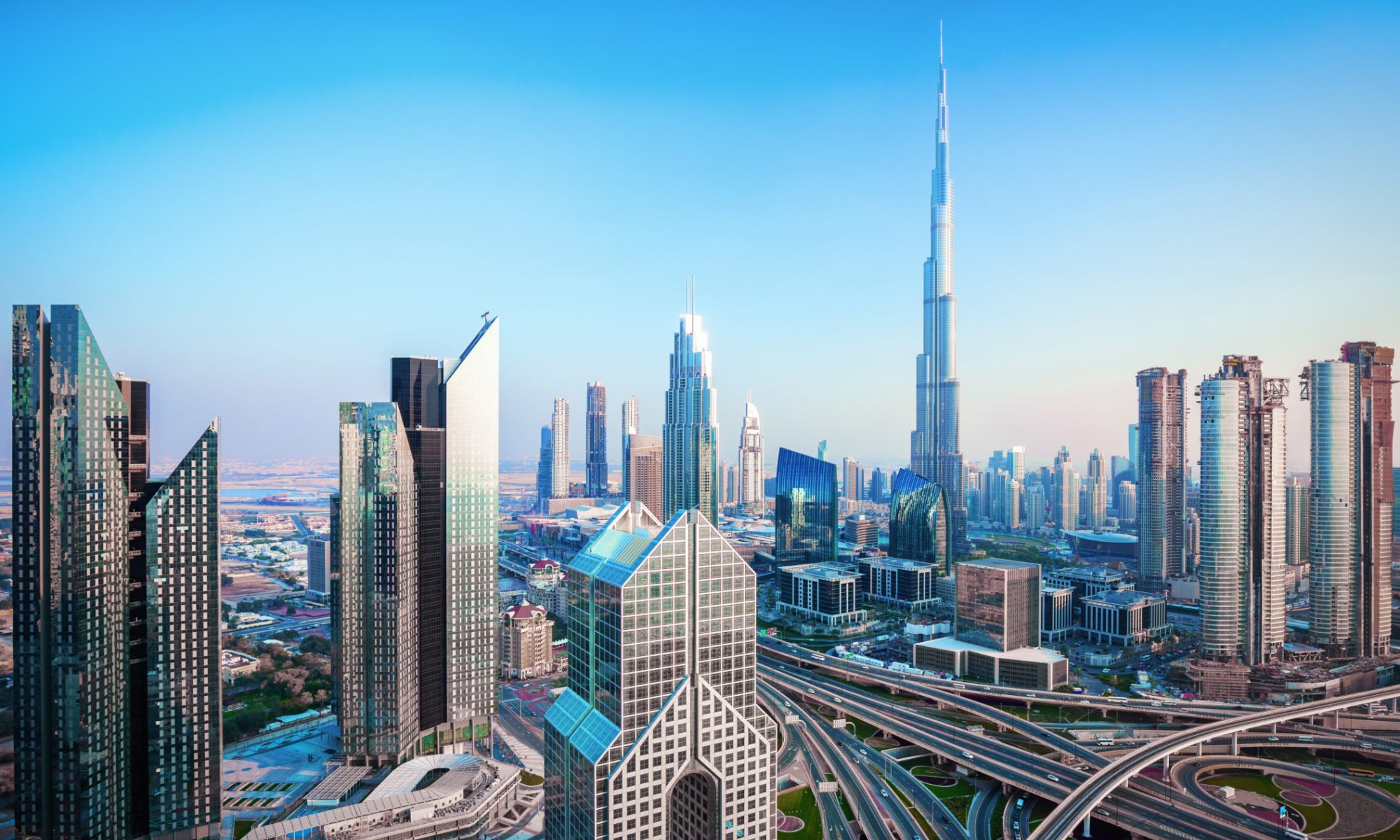
    A local water company will start selling a bottle made from plant-based materials to reduce the amount of plastic it produces. New bottle to be available in hotels and airports by May.

    Al Ain water launched its “plant bottle’, which will be available at food service providers by May, at Gulfood in Dubai on Monday.

    The new bottle, including the cap, is made from 100 per cent plant-based sources and is biodegradable and compostable within 80 days.

    It is the region’s first locally made plant-based bottle.

    Dr Rabih Kamleh, a senior vice president at Agthia Group, Al Ain’s parent company, told The National the bottle would initially be made available at food service providers including hotels, airports and government offices.

    Dr Kamleh said this would enable the establishments to organise a separate collection process for the eco-friendly bottles.

    The used bottles will be sent to a partner composting company, or be recycled and used again.

    A spokeswoman for Agthia said the price would depend on demand.

    The higher the demand, the lower the price as production scales up.

    Agthia plans to sell the eco-friendly bottles in supermarkets for general consumers after trying them out with food service providers.

    The bottle material took two years to develop.

    It consists of polymerised polylactic acid, which comes from the fermentation of sugar from different plants.

    Unlike most plastics, these bottles contain no petroleum.

    On Monday, Dr Thani Al Zeyoudi, the Minister of Climate Change and Environment, said he hoped to see more companies make an effort to reduce plastic use.

    “We are proud of the role Emirati private businesses play in supporting our nationwide drive towards sustainability,” Dr Al Zeyoudi said.

    “We hope to see more businesses across all sectors with the same level of awareness and commitment to reducing their footprint to ensure that the UAE remains sustainable well into the future.

    “The launch of Al Ain’s plant-based water bottle and Agthia’s other sustainability initiatives is a prime example of how innovation can go a long way in driving environmental sustainability.”

    REFS

    Published on thenational.ae

    Al Ain water to produce plant-based compostable bottle

  • Henkel Reduces Virgin Fossil Plastic by Half

    Henkel Reduces Virgin Fossil Plastic by Half

    Henkel is stepping up its commitment for sustainability and has set further ambitious packaging targets for 2025 to promote a circular economy.

    By then, 100 percent of Henkel’s packaging will be recyclable or reusable* and the company will reduce fossil-based virgin plastics by 50 percent in its consumer goods packaging.

    Additionally, Henkel wants to contribute to avoiding plastic waste being disposed in the environment.

    As a global consumer goods company, Henkel wants to foster a circular economy – meaning that packaging materials remain in economic cycles as long as possible and do not end up in the environment.

    Henkel has already made many advances in the field of sustainable packaging.

    For example, the company further increased the share of recycled plastic in its packaging and a number of Henkel’s packaging already consists of 100 percent recycled material.

    With its new ambitious packaging strategy, Henkel strives to use material from sustainable sources and develop smart designs to close the loop.

    “Packaging and plastic have captured the attention of the public, governments, and businesses around the world more than ever – plastic waste ending in the environment is one of the greatest global challenges.

    The search for solutions is well underway, and our packaging experts are working intensively to deliver on our ambitious targets,” says Sylvie Nicol, Executive Vice President Human Resources at Henkel and Chair of Henkel’s Sustainability Council.

    “To drive further progress and promote a circular economy, we are working closely together with our partners along the entire value chain.”

    New packaging targets for 2025: 100 / 50 / Zero

    Henkel’s commitment to sustainable packaging is reinforced by new, even more ambitious targets:

    • 100 percent recyclable or reusable*: By 2025, all packaging material will be recyclable or reusable; today the company is already at 85 percent. The main aim is to overcome the recycling hurdles specific to each packaging category – for example, by introducing solutions for multi-layer flexible or black packaging. Henkel is working on these challenges in cross-industry partnerships such as CEFLEX, a consortium of more than 130 companies and organizations aiming to enable flexible packaging to be recycled.
    • 50 percent less fossil plastic: Henkel wants to reduce the amount of virgin plastic from fossil sources in the consumer goods businesses Beauty Care and Laundry & Home Care by 50 percent – by reducing the volume of packaging, through increasing the proportion of recycled material in its consumer goods packaging to more than 30 percent globally and by using bio-based plastics.
    • Zero waste: Henkel wants to help prevent waste from being disposed into the environment. Therefore, the company is supporting waste collection and recycling initiatives and invests in innovative solutions and technologies to promote closed-loop recycling. Examples are Henkel’s long-term partnership with social enterprise Plastic Bank or the company’s membership in the global Alliance to End Plastic Waste. Additionally, Henkel aims to support its consumers in responsible usage and disposal of its products. Each year, the company wants to reach more than 2 billion consumer contacts by providing targeted information about recycling and correct waste disposal, for example through dedicated icons on the packaging

    REFS

    Henkel will reduce fossil-based virgin plastic by 50 percent

  • Arkema and the Corona Crisis

    Arkema and the Corona Crisis

    The coronavirus epidemic (Covid-19) continues to spread. Naturally, Arkema is watching its evolution in real time and mobilizing around the world in an attempt to deal with this unprecedented health situation.

    We are putting in place our own health instructions in the various countries in which we operate in line with the directives laid down by those countries’ government agencies.

    It is vital that we all observe these instructions rigorously.

    In these troubled times, Arkema’s priority is to protect the men and women of the Group, and to act in solidarity with the government agencies to help minimize the spread of the virus, with particular vigilance regarding the most vulnerable in society.

    In accordance with the decisions taken by the authorities, appropriate measures are being implemented on our sites to ensure individual and collective protection and safeguard the health of both our employees and our contractors.

    Hence we have further reduced exposure and contacts, and we are limiting access solely to those people who are essential on the sites, with stringent hygiene and disinfection measures.

    We are also making sure that barrier gestures and social distancing are observed.

    Finally, teleworking is now the preferred option based on the suitability of the workstations and on the business continuity needs.

    At the same time, Arkema is organizing with determination and creativity to ensure the continuity of its activities and operations, in order to serve its customers and supply its products which are often key for many sectors, and therefore for the economy of the countries in which we operate.

    In this environment that calls upon the energy and sense of solidarity of each of us, several of our products are used directly in the fight against the virus, and our teams are hard at work to respond to the surging demand with regard to molecular sieves for oxygen concentrators used by people with respiratory failure, as well as acrylic sheets (PMMA) used to shield and protect personnel working in large retail outlets and in services generally from contacts in the course of their jobs.

    Furthermore, we have dedicated a pilot line at one of our research centers in France to the mass production and distribution, free of charge, of alcohol-based solution to hospitals, using the hydrogen peroxide produced on our Jarrie site.

    On the collective strength of our values of commitment, responsibility and solidarity, all of the Group’s employees are rallying to handle and respond to this major and unprecedented crisis as best we can and with unwavering resolve.

  • Borealis and the Corona Crisis

    Borealis and the Corona Crisis

    Borealis employs stringent health and safety measures to protect employees and maintain business continuity. We are taking all steps within our power to help stop the spread of the #Coronavirus disease outbreak, to protect our employees and business partners and ensure safe operations.

    As a responsible company, Borealis is taking all steps within its power to help stop the spread of the Coronavirus disease (COVID-19) outbreak.

    In order to protect employees, contractors and business partners, to ensure safe operations, Borealis is closely following and applying .

    Borealis is also closely monitoring government reports in the countries in which it has operations, among others, in order to proactively update its safety standards accordingly. Internal task forces in the areas of operations, business and general crisis management were formed early on to proactively monitor and manage the situation.

    Active measures to prevent the spread of COVID-19 include:

    • Close and constant monitoring of international developments, including instructions issued by relevant local and national authorities.
    • Apply social distancing wherever applicable.
    • Limiting face-to-face human interaction wherever possible, for example by instituting teleworking for staff, and holding both internal and external meetings online/remotely wherever viable.
    • Suspension of all non-essential corporate travel and avoiding travel to areas already affected by COVID-19.
    • Disinfecting worksites frequently, more rigorous cleaning of common surfaces such as handrails and door handles.
    • Raising awareness of the risk of infection among Borealis employees and partners, and urging all to act responsibly and with care by heeding hygiene guidelines issued by public health authorities.
    • Proactively following recommendations issued by the WHO to prevent the spread of the virus.

    Borealis operations during the Covid-19 outbreak

    • As a responsible company, Borealis is taking steps to regularly update its customers and suppliers around the world in order to address their concerns regarding the continuity of supply during the COVID-19 outbreak.
    • Borealis Customer Service staff continue to maintain essential ongoing services for our customers, such as order processing, from coordinated teleworking locations.
    • We are in close contact with our raw material and service suppliers, who are continuing operations in accordance with relevant guidelines issued by local authorities but taking all possible measures to ensure the health and safety of all involved in the supply chain.
    • Orders are currently being accepted, processed, and confirmed; however, due to logistics-based service interruptions and delays outside our area of influence, it may not be possible to commit to a firm delivery date.
    • We are supporting our partners in their efforts to ensure widespread use of basic protective equipment, including masks and gloves, but also hand and other types of disinfectants. However, for practical reasons, it may not always be possible to supply drivers with protective equipment.
    • We are continuously screening any potential impact on our key suppliers, and are increasing our safety stock levels. Raw material supply is being secured where possible by way of multisource suppliers.
    • A Borealis Customer Service Representative or Sales Manager will contact customers and partners in the event that there are changes in the supply situation, or in our assessment thereof, which would affect delivery. In this case, Borealis will work closely with the affected party to quickly find the best solution. Should a customer, supplier or partner have to cancel or otherwise change an order, for instance if their production must be stopped, they are requested to notify their Borealis contact person immediately.

    REFS

    Published on borealisgroup.com

    Operations during the Coronavirus disease (COVID-19) outbreak