Блог

  • Arkema and the Corona Crisis

    Arkema and the Corona Crisis

    The coronavirus epidemic (Covid-19) continues to spread. Naturally, Arkema is watching its evolution in real time and mobilizing around the world in an attempt to deal with this unprecedented health situation.

    We are putting in place our own health instructions in the various countries in which we operate in line with the directives laid down by those countries’ government agencies.

    It is vital that we all observe these instructions rigorously.

    In these troubled times, Arkema’s priority is to protect the men and women of the Group, and to act in solidarity with the government agencies to help minimize the spread of the virus, with particular vigilance regarding the most vulnerable in society.

    In accordance with the decisions taken by the authorities, appropriate measures are being implemented on our sites to ensure individual and collective protection and safeguard the health of both our employees and our contractors.

    Hence we have further reduced exposure and contacts, and we are limiting access solely to those people who are essential on the sites, with stringent hygiene and disinfection measures.

    We are also making sure that barrier gestures and social distancing are observed.

    Finally, teleworking is now the preferred option based on the suitability of the workstations and on the business continuity needs.

    At the same time, Arkema is organizing with determination and creativity to ensure the continuity of its activities and operations, in order to serve its customers and supply its products which are often key for many sectors, and therefore for the economy of the countries in which we operate.

    In this environment that calls upon the energy and sense of solidarity of each of us, several of our products are used directly in the fight against the virus, and our teams are hard at work to respond to the surging demand with regard to molecular sieves for oxygen concentrators used by people with respiratory failure, as well as acrylic sheets (PMMA) used to shield and protect personnel working in large retail outlets and in services generally from contacts in the course of their jobs.

    Furthermore, we have dedicated a pilot line at one of our research centers in France to the mass production and distribution, free of charge, of alcohol-based solution to hospitals, using the hydrogen peroxide produced on our Jarrie site.

    On the collective strength of our values of commitment, responsibility and solidarity, all of the Group’s employees are rallying to handle and respond to this major and unprecedented crisis as best we can and with unwavering resolve.
  • Borealis and the Corona Crisis

    Borealis and the Corona Crisis

    Borealis employs stringent health and safety measures to protect employees and maintain business continuity. We are taking all steps within our power to help stop the spread of the #Coronavirus disease outbreak, to protect our employees and business partners and ensure safe operations.

    As a responsible company, Borealis is taking all steps within its power to help stop the spread of the Coronavirus disease (COVID-19) outbreak.

    In order to protect employees, contractors and business partners, to ensure safe operations, Borealis is closely following and applying .

    Borealis is also closely monitoring government reports in the countries in which it has operations, among others, in order to proactively update its safety standards accordingly. Internal task forces in the areas of operations, business and general crisis management were formed early on to proactively monitor and manage the situation.

    Active measures to prevent the spread of COVID-19 include:

    • Close and constant monitoring of international developments, including instructions issued by relevant local and national authorities.
    • Apply social distancing wherever applicable.
    • Limiting face-to-face human interaction wherever possible, for example by instituting teleworking for staff, and holding both internal and external meetings online/remotely wherever viable.
    • Suspension of all non-essential corporate travel and avoiding travel to areas already affected by COVID-19.
    • Disinfecting worksites frequently, more rigorous cleaning of common surfaces such as handrails and door handles.
    • Raising awareness of the risk of infection among Borealis employees and partners, and urging all to act responsibly and with care by heeding hygiene guidelines issued by public health authorities.
    • Proactively following recommendations issued by the WHO to prevent the spread of the virus.

    Borealis operations during the Covid-19 outbreak

    • As a responsible company, Borealis is taking steps to regularly update its customers and suppliers around the world in order to address their concerns regarding the continuity of supply during the COVID-19 outbreak.
    • Borealis Customer Service staff continue to maintain essential ongoing services for our customers, such as order processing, from coordinated teleworking locations.
    • We are in close contact with our raw material and service suppliers, who are continuing operations in accordance with relevant guidelines issued by local authorities but taking all possible measures to ensure the health and safety of all involved in the supply chain.
    • Orders are currently being accepted, processed, and confirmed; however, due to logistics-based service interruptions and delays outside our area of influence, it may not be possible to commit to a firm delivery date.
    • We are supporting our partners in their efforts to ensure widespread use of basic protective equipment, including masks and gloves, but also hand and other types of disinfectants. However, for practical reasons, it may not always be possible to supply drivers with protective equipment.
    • We are continuously screening any potential impact on our key suppliers, and are increasing our safety stock levels. Raw material supply is being secured where possible by way of multisource suppliers.
    • A Borealis Customer Service Representative or Sales Manager will contact customers and partners in the event that there are changes in the supply situation, or in our assessment thereof, which would affect delivery. In this case, Borealis will work closely with the affected party to quickly find the best solution. Should a customer, supplier or partner have to cancel or otherwise change an order, for instance if their production must be stopped, they are requested to notify their Borealis contact person immediately.

    REFS

    Published on borealisgroup.com

    Operations during the Coronavirus disease (COVID-19) outbreak


  • Students Against Plastic Bottles in Connecticut

    Students Against Plastic Bottles in Connecticut

    What do environmental activists look like? Some might be surprised to learn that they look like three Whitby School 7th graders who are the founding members of Greenwich Bottles No More (GBNM).

    Anika Bhat, Saachi Bogavelli, and Kira Ferenc started this organization to ban single-use plastic water bottles in the Town of Greenwich.

    This is not a pipe-dream but a realistic goal. In Massachusetts, Concord, Martha’s Vineyard, and Cape Cod have all banned single-use bottles.

    Many municipal government agencies and universities around the world also have such a ban in place.

    The roots of this local movement began during the last school year when the girls’ 6th grade IB Individuals and Societies class began the Environmental Justice unit.

    For their assessment, they were required to conduct in-depth research on an environmental issue and plan an action that could deliver measurable results.

    Kira, Anika, and Saachi had each researched matters related to plastic pollution: plastic water bottles, micro-plastics in the oceans, and the endangerment of sea turtles due to the digestion of plastics, respectively.

    Their joint research is compelling.

    By mid-century, there will be more plastic in the ocean than fish, ton-for-ton.

    Most bottles are not recycled, so in addition to all the plastic that ends up in the sea, over 40 billion plastic water bottles wind up in US landfills each year; it takes 400 years for these bottles to biodegrade.

    There are also health risks to consider, as micro-plastics can appear in 93% of bottled water.

    It became evident that the common denominator across all the projects was the negative impact of water bottles, and that together they could make a difference.

    Their research, combined with the fact that Greenwich has 32 miles of shoreline and four town beaches, led the girls to the decision to save their town from the effects of single-use bottles, and “Greenwich Bottles No More” was born.

    Andrew Greene, Individuals and Societies teacher at Whitby, has been advising the girls from the beginning. “I normally prefer that students work independently on these action pieces,” remarked Mr. Greene. “They showed me their research and how the topics were interconnected. What persuaded me was their passion. They were determined to raise awareness and try to make a change. This is not typical of 6th graders!”

    The first step for putting their plan into action started with a petition on Change.org, which quickly received over 800 signatures. Encouraged, the girls arranged to meet with Greenwich First Selectman Peter Tesei. He offered advice and suggested that they could move forward to make this a campaign issue for the first selectman candidates who would be on the November 2019 ballot.

    Even though the school year was ending, their enthusiasm for the endeavor remained.

    The students arranged with Mr. Greene to make GBNM an elective class for the 2019 fall term.

    The purpose of the course is to educate and engage with the community-at-large –Whitby students, faculty and parents, student groups at other Greenwich schools, civic organizations and, most importantly, local government leaders. And they have been busy doing just that.

    Since the beginning of the school year, the group meets weekly to organize this collective action.

    Most recently, they attended a Greenwich Selectman debate along with GBNM group members Vasilisa Banks and Inaaya Jacobsen to learn where candidates stood on environmental issues and had the opportunity to speak with Jill Oberlander and Sandy Litvack.

    Anika, Saachi, and Kira summarize it all by saying, “We are passionate about our cause and engaging in the political process. The impact of single-use bottles on the environment is a problem affecting our generation, and kids our age need to take a stand and make things happen.”

    Petition on Change.org:

    #GreenwichBottlesNoMore: Ban Single-Use Plastic Water Bottles In Greenwich Connecticut


    REFS

    Published on greenwichsentinel.com

    Whitby Students Lead a Grassroots Effort to Ban Single-Use Plastic Bottles in Greenwich


  • McDonalds Stops Plastic Toys

    McDonalds Stops Plastic Toys

    Fast food firm says from 2021, Happy Meals sold in the UK will contain soft toys, paper gifts gifts or books.

    McDonald’s has bowed to pressure from anti-plastic campaigners, announcing Happy Meals sold in the UK will not contain plastic toys from next year.

    Instead the meals, which are aimed at young children, will contain either a soft toy, book, or paper gift. The move will eliminate more than 3,000 tonnes of plastic, McDonald’s said.

    Under pressure

    McDonald’s has faced fierce pressure from environmental campaigners on the issue, led by two school children from Hampshire.

    Ten-year-old Ella McEwan and eight-year-old Caitlin McEwan made headlines last year after organising a petition calling on Burger King and McDonald’s to stop handing out plastic toys.

    “Children only play with the plastic toys they give us for a few minutes before they get thrown away and harm animals and pollute the sea,” the sisters wrote on the petition, which has gathered more than 550,000 signatures.

    In September rival Burger King promised it would stop selling plastic toys with children’s meals. McDonald’s said at the time customers would be able to choose between a plastic toy or a sachet of fruit.

    Happy Meal 2.0

    The fast food giant has now promised to follow Burger King and eliminate plastic toys entirely.

    Chief marketing officer for McDonald’s UK & Ireland Gareth Helm said: “Families have high expectations of us and we’re working as hard as we can to give them the confidence that their Happy Meal is as sustainable as possible. Getting that right is a big responsibility, but we believe the changes we’re making today have the potential to make a big difference.”

    From this month McDonald’s said it will start trialling paper packaging for all its Happy Meal toys, and from May customers will be able to choose between a book or a plastic toy, giving them the choice to “opt out” of receiving plastic.

    The company also announced plans for a five-week “toy amnesty” starting in May, with unwanted plastic toys collected and melted into playground equipment.

    Reaction

    Sian Sutherland, co-founder of campaign group A Plastic Planet, urged McDonald’s to go even further to cut its plastic use.

    “Well done to McDonald’s for taking action and considering the impact their products will have on those who will inherit the earth,” she said. “Now is the time for them to push on. Eliminate plastic from their restaurants and lead the fast-food industry forward in tackling the crisis.”


    REFS

    Published on inews.co.uk

    McDonald’s to ditch plastic Happy Meal toys

  • Washington Students Propose Plastic Straw Ban

    Washington Students Propose Plastic Straw Ban

    City Council plans to discuss the issue; no date set yet.

    The Port Townsend City Council plans to discuss a potential ban on plastic straws after hearing from members of the Port Townsend High School Students For Sustainability.

    The group met during a workshop on Monday with council members, telling them that plastic straws damage the marine environment and that alternatives could reduce costs. They presented the council with a petition with more than 1,500 signatures.

    The council set no date for discussing the issue.

    The students’ proposed ban would restrict businesses that provide beverages from using single-use plastic straws, plastic stirrers, and commercially compostable straws.

    The latter would be included in the ban due to the lack of facilities in which commercially compostable material can be handled properly in Port Townsend. However, there was talk of adding a provision to the ban, that should Port Townsend get the facilities needed to process paper and biodegradable plastics, the compostable straws would be a decent alternative.

    Hospitals, care centers, nursing homes, and other special care facilities would be exempt from the ban, though still encouraged to seek out alternatives, the students said.

    In their research, the students found that roughly 500 million, or 127 school busloads, of single-use plastic straws are thrown away every day, with 2,000 tons worth of those straws flowing into the ocean every year, making straws the seventh highest ocean polluter.

    “They’re a great place to start. There’s a lot of movement behind this ban all over the world,” sophomore, Lochlan Krupa said.

    “You can see plastic pollution on the beach and in the water,” Krupa added.

    “We talked to Cape Clear Salmon and they said that they often find plastic pollution in their nets and in their machinery.

    “We just need to do our part, if Seattle can do it so can we.”

    Students noted than many local businesses already have switched from using single-use plastic straws to more sustainable alternatives, such as paper and metal straws, as well as straws made from silicon, wheat, glass, bamboo, and an avocado pit.

    There is also always the option of not providing any straws at all.

    “Switching to reusable straws could actually save a bit of money,” said sophomore Grace Wentzel.

    A bag of 500 single-use plastic straws costs $4. If a business were to use 500 straws a day, it would spend $1,460 on straws a year, whereas a 500 pack of metal straws would cost a one time fee of $18, saving that business $1,275 a year, students said.

    The ban would allow for a six-month grace period in which businesses would have the opportunity to get rid of all of their single-use plastic straws, according to the students.

    Businesses could also be given special variances for having a small stock of plastic straws for special circumstances.

    After the first warning, a business in violation would pay a fine of $100 and if the problem persists, a fine of $250 every two weeks would be levied until the problem is resolved, students said.

    After two years without a violation that businesses record would be returned to a warning status without fines.

    Councilman David Faber asked why the proposed fine amounts were so low. Students said they wanted to make the fine amounts fair to small and independent businesses in town.

    Prior to the ban going into effect, letters would be sent to businesses as well as advertisements placed in local papers. Students in the group have offered to speak to business owners about the ban and make signs for the businesses to post.

    REFS

    Published on peninsuladailynews.com

    Port Townsend High School students propose plastic straw ban


  • Jewellery Box by Durasense Biocomposite

    Jewellery Box by Durasense Biocomposite

    Aesthetics comes first when selecting a piece of jewellery, but safe and sustainable materials are equally important. In the best case, the same goes also for the jewellery box. The Finnish jewellery brand Ilonakoru found a solution in boxes made from our DuraSense biocomposite.

    Ilonakoru designs colourful hand-made eardrops from PEFC and FSC certified wood and stainless steel. When the company owners, Lauri and Lotta Nordberg, wanted to renew their packaging, only eco-friendly, high-quality materials with low carbon footprint were considered.

    “Instead of just protecting the jewellery during transportation, we wanted a nice-looking, reusable box that will live long at home, to store jewellery or other small things. We also wanted to avoid long airfreight for environmental reasons. A box made of biocomposite, available from a local supplier close to us, was a perfect match”, says Lauri Nordberg.

    The material is DuraSense® by Stora Enso, a biocomposite material that consists of wood fibres and polymers. DuraSense is a climate-friendly alternative to fully fossil-based plastics in a wide variety of products, providing durability and formability with lower carbon footprint than plastic.

    The box manufacturer is Muottituote Group who has also designed and produced the injection mould used. Ilonakoru selected a round box made of DuraSense with black and natural brown colours and visible fiber structure on the cover.

    The box size was customised to fit Small Parcel mail, saving packaging materials and mailing costs.

    The eardrops are stacked in the box, so it is smaller than usual and allows thus several boxes to be delivered in one A4 envelope.

    “The new box looks so nice that you want to keep it or give it as a gift. It is an eco-statement and a selling point for us. It simply feels good to buy a product that is manufactured and packed in an eco-friendly way”, Lauri Nordberg concludes.


    REFS

    Published on storaenso.com

    Sustainable jewellery box made of biocomposite for Ilonakoru


  • Non-Toxic and Edible Bioplastics Made from Grapes

    Non-Toxic and Edible Bioplastics Made from Grapes

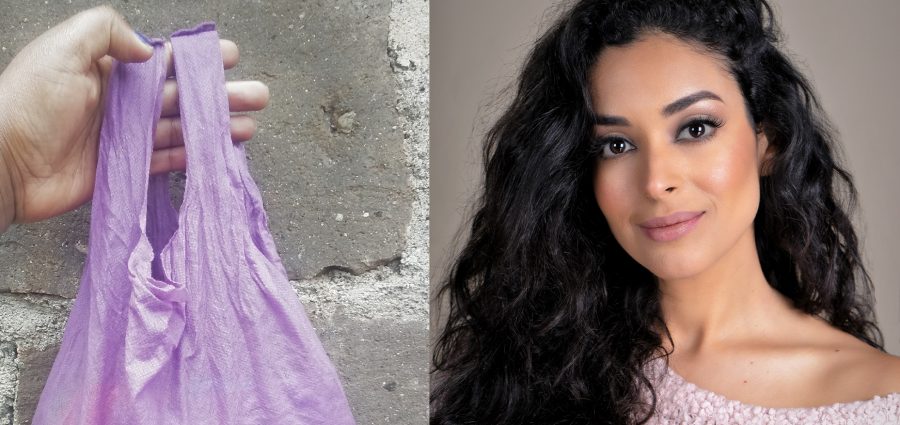
    A new method to produce biodegradable plastic made from vitis vinifera, or commonly known as grapes, has been discovered. the brilliant mind behind this innovation is none less than geisha montes de oca, based in los angeles and dominican native. the said plastic, aside from being non-toxic and edible, biodegrades in a matter of days after use.

    A new method to produce biodegradable plastic made from Vitis Vinifera, or commonly known as grapes, has been discovered.

    The brilliant mind behind this innovation is none less than Geisha Montes de Oca, based in Los Angeles and Dominican native. The said plastic, aside from being non-toxic and edible, biodegrades in a matter of days after use.

    Geisha Montes de Oca develops a biodegradable plastic based on grapes with the ability to disintegrate in an average of 9 to 17 days after being discarded in any environment.

    The unexpected idea was born two years ago during a regular practice of observation and experimentation with everyday items. In an attempt to burn grape stems, she observed the incredible resistance to heat as she attempted to burn the plant.

    At that moment it occurred to her that this could be the starting component of biodegradable plastic. She immediately began searching for scientists to carry out her vision of creating an alternative to plastic with the properties found in grapes.

    After a significant effort and time, Ms. Montes de Oca finally found and put together a team that shared the same environmental aspirations and qualifications fitting the project.

    The production of prototypes is on to demonstrate if this biodegradable product has the right capacity and resistance to altogether replace ordinary disposable plastics.

    Additionally, this endeavor will have a huge contribution to improving human health as well as the environment. Despite the availability of biodegradable plastics in the market, time proves to be a major hurdle in saving the planet earth, particularly the marine and its ecosystem.

    In fact, according to a UN-funded report, biodegradable plastics are a “false solution” for the marine wastes problem we are facing today.

    Scientists send a warning that bags and bottles do not just easily break down and sink, seeming that report highpoint the omnipresence of plastic wastes under and above the ocean waters.

    This information proves the point that plastic bottles may or may not totally disintegrate, and they remain in soil and water. Thus, pollution.

    But with the breakthrough of grape-based biodegradable, non-toxic, and edible plastic, the world will be in a better place since the process of plastic waste biodegradation occurs within days.

    About Geisha Montes De Oca
    Geisha Motes de Oca is a native of the Dominican Republic known for her acting prowess, business acumen, and brilliance in innovation.

    For years, she has been engaged in various philanthropic causes, stemming from her passion for humanitarianism. Her current motivation is working on ideas and technologies that could somehow impact the world for the better.

    This biodegradable plastic is the result of her collaboration with expert scientists in the field of Industrial Chemistry based in Kenya. She is currently based in Los Angeles, California.

    REFS
    Published on itzherald.com

    Young Innovator Discovers a Revolutionary Way in Producing Non-toxic and Edible Biodegradable Plastic That Disintegrates Within Days

  • KFC, Pizza Hut, Taco Bell Stops Polystyrene Foam Packaging

    Yum! Brands, the company behind popular fast-food chains KFC, Pizza Hut and Taco Bell, will phase out polystyrene foam packaging by 2022 globally, Yum! said Thursday.

    “At Yum!, we believe that our iconic, global brands have a responsibility to make a positive impact on the environment in partnership with our franchisees and suppliers,” Yum! Brands CEO David Gibbs said in a statement. “We’ve made strong progress over the years when it comes to our sustainability agenda and see renewable energy to reduce our carbon emissions as another important step on this journey.”

    As You Sow, a group that focuses on corporate social responsibility and climate change, praised the decision.

    “This action could significantly reduce the amount of single use packaging that ends up as littered waste, especially in developing economies where YUM! does substantial business,” As You Sow Senior Vice President Conrad MacKerron said in a statement. “This is a win for oceans and marine life as foam packaging poses particular threats to wildlife.”

    Yum! uses the Styrofoam-like material in beverage cups and takeout containers at about 4,000 U.S. locations and 2,700 locations around the world, according to As You Sow. It’s often found as beach litter that can harm animals.

    The company’s decision comes after it reported fourth-quarter profit and same-store sales that fell short of expectations as a sales drop at Pizza Hut.


    REFS

    Published on foxbusiness.com

    Pizza Hut, Taco Bell eliminating polystyrene foam packaging

  • 3D Printed PLA Motorbike

    3D Printed PLA Motorbike

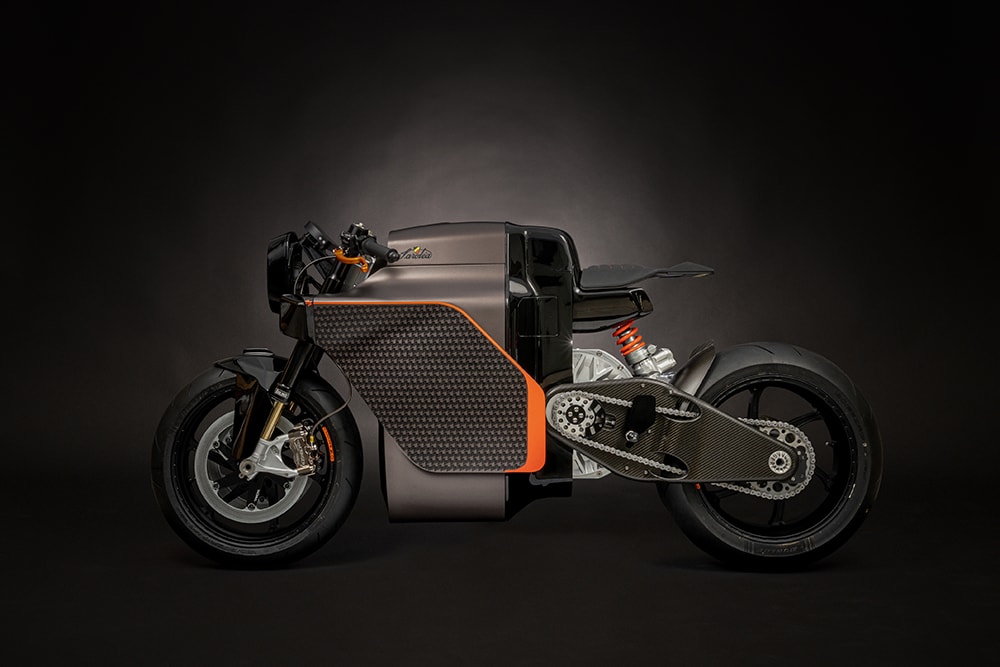
    Sarolea is a revived Belgian motorcycle manufacturer that took on the historic Sarolea brand after the original company ceased production in the 1960’s. The revived brand now focuses solely on electric powered motorcycles, but at the heart of the company is the same passion of motorcycles that founded the original brand back in 1850.

    Sarolea develop and manufacture their motorcycles from the ground up using in house technologies originally developed for track racing bikes.

    After gaining popularity of their designs on the race track, Sarolea decided to design a road going version of their first race bike the Manx 7.

    Sarolea have been using 3D printing technology at each stage of their production process and have established close technical relationship with Polymaker.

    “We use the Polymaker filaments during the design process to check components and assemblies. We also use printing as rapid tooling to create moulds for carbon fibre components and thanks to the incredible high quality of Polymaker filament and the expertise of their engineers, certain components on our racing and production bikes are accurately printed. Components that are inhibitively complex and onerous to make with traditional production processes.” – Rob Mitchell, Sarolea

    3D printing technology can bring huge advantages to the automotive industry in all aspects.

    Sarolea has integrated 3D printing into every stage of their production cycle, utilizing many different materials and their unique properties in the design, production and ultimately for the manufacture of parts that operate on the road and race bikes.

    Stage 1: Design & RnD

    • Applications: Prototyping, concept design, design iteration

    Advantages: low cost, short lead time, lightweight, design freedom, quick verification of appearance and functionality.

    • Description:

    Both PolyMax ™ PLA and PolyMax ™ PETG are used for prototyping. For the Manx 7 electric superbike, the entire bodywork was prototyped using PolyMax ™ PLA.

    The printability, reliability and toughness play a role in this application. On the N60 model, Sarolea used PolyMax ™ PETG for bodywork prototyping.

    Compared to PolyMax ™ PLA, PolyMax ™ PETG is easier to sand and polish, offering an additional 20°C heat resistance compared to PLA. This allowed Sarolea to print and test body work with a professional finish.

    Stage 2: Production

    • Application: mould making, production jigs, manufacturing fixtures

    Advantages: fast and low-cost manufacturing of specific tools for custom parts, effectively reduce production cycle by printing in house. Print negative moulds for direct carbon fibre lay-up.

    • Description:

    Sarolea are 3D printing moulds in PolyMide™ CoPA which they are using to produce final parts in carbon fibre.

    Both the Manx 7 and N60 have a carbon fiber monocoque chasis, this requires a number of intricate moulds that help with the lay up of the carbon fibre.

    PolyMide™ CoPA can withstand the high heat and pressures involved in vacuum curing process while the carbon fiber is baked in the autoclave. PolyMax™ PETG is also widely used to make production tools, jigs and fixtures necessary when assembling the bikes.

    Stage 3: Aftermarket

    • Application: Printing production ready parts, customization and spare parts

    Advantages: Print finished parts in advanced materials, provide full customization to customers on existing parts, keep digital database of spare parts.

    • Description:

    Sarolea features a number of 3D printed parts in final production thanks to the advanced materials that Polymaker offer. PolyMide™ PA6-CF is used widely in the high velocity air flows and Polymaker™ PC-PBT in use as a cell holder within the custom-made batteries.

    PolyMax™ PC-FR offers a fire rated material to print fixtures and holdings for the many high voltage circuits and wires that are necessary to run the bike.

    Sarolea has found that Polymaker materials are an invaluable tool not only in prototyping but also in the manufacturing and final production of parts for their motorbikes.

    The technical partnership between the two companies allows Sarolea to push the boundaries of vehicle electrificatio

    REFS

    Published on polymaker.com

    Sarolea electric superbike case study


    RELATED


  • Henkel Goes Post-Consumer Recycled Plastic

    Henkel Goes Post-Consumer Recycled Plastic

    Together with packaging manufacturer ALPLA, Henkel has achieved a further step in its activities in the field of sustainable packaging: From now on Perwoll bottles in Western Europe will not only be fully recyclable, but also contain 25 percent recycled PE (polyethylene) from post-consumer sources as standard.

    “With the introduction of bottles made of 25 percent recycled plastic for the Perwoll brand, we converted our largest Laundry & Home Care category utilizing PE bottles to use recycled plastic,” says Vineet Varman, Head of International Packaging Development for Special Detergents at Henkel.

    Henkel’s packaging and supply chain team was able to integrate a significant share of recycled PE in the full range of Perwoll bottles in the Western European market – while at the same time retaining their unique color and ensuring high aesthetic standards, without making any compromises on the performance or fragrance of the premium product.

    “This is a great achievement – and a starting point to move further: We are already working on expanding the usage this recycled material also in other categories,” says Vineet Varman. “While availability of high-quality recycled PE material from post-consumer waste is still limited, we are proud that we, together with our partners, successfully developed a recycling stream for it.”

    “The use of recycling material makes this bottle a particularly sustainable, CO2-saving packaging solution – also because we have been manufacturing the bottles in-house, which reduces transportation and repackaging to zero. We appreciate working with customers like Henkel, who challenge us and contribute to the functioning of a circular economy,” says Nicolas Lehner, CCO ALPLA Group.

    Black Perwoll bottle – fully recyclable, with recycled plastic

    For the black bottle of Perwoll’s “Renew & Repair” variant, Henkel announces an additional milestone: In line with its commitment to introduce recyclable black packaging, the company has already started converting its black Perwoll bottles to a new packaging material which uses an alternative carbon-free color, through which bottles become recyclable and thus can be integrated back into the value chain.

    Now, these black bottles are not only recyclable but also contain 25 percent recycled PE.

    Driving progress towards a circular economy

    The introduction of bottles with 25 percent recycled plastic for its full Perwoll range in Western Europe is yet another example of Henkel’s activities and progress in the field of plastic packaging.

    The company pursues ambitious packaging targets, is engaged in various partnerships along the entire value chain and participates in many cross-industry initiatives.

    For example, the company is a member of the global Alliance to End Plastic Waste (AEPW) and the New Plastics Economy (NPEC), and partner of social enterprise Plastic Bank.


    REFS

    Published on henkel.com

    All Perwoll bottles in Western Europe with 25 percent recycled plastic